Pediatric Dentist Near Me
 How often does your child eat candy? According to a study conducted by the USDA Economic Research Service, children under 12 consume an average of 49 pounds of sugar in one year. While candy is not the sole source of sugar in a child’s diet, the impacts of sugary candy treats are particularly harmful to teeth. Here’s what you need to know about candy and how it might be damaging your child’s smile.
The Impact of Sugar on Teeth
The real culprit in candy is the high sugar content. Certain types of bacteria that are present in your mouth can feed on sugar. These destructive bacteria then create acid that wears away tooth enamel. When enamel is weakened, your risk of developing decay increases. Your mouth is effective at neutralizing acids and aiding minerals that strengthen enamel if the amount of sugars and acids is not excessive. Your mouth can only do so much, which makes it essential to limit your sugar intake and maintain a regular and thorough oral hygiene routine.
Watch Out for Sticky, Sugary Candies
Not all candies are made equal. For a general rule of thumb, the sticker the candy, the worse it is for your teeth. Sticky candies leave sugary residue on your teeth long after you are done eating. This gives the bacteria in your mouth more time to start demineralizing enamel. Watch out for sticky candies like gum drops and taffy.
Suckers, lollipops, and hard sucking candies are troublesome because they are in your mouth for an extended period of time. Like sticky candies, this allows for more time for harmful bacteria to get to work by weakening your teeth. You can also chip or crack a tooth if you bite too hard.
Other problematic candies include those that are gummy and coated in sugar. Think of gummy worms or another sour covered, chewy critter. Not only are they high in sugar content, but they also typically contain harmful acids that contribute to a loss of enamel.
Steps for Preventing Decay
You can help your child by limiting their candy and sugar intake. In some instances, this can be tricky and even out of your control when your child is at school or a friend’s house. What you can do is instill good oral hygiene habits in your child. Make sure they are brushing for two minutes twice each day. You can make brushing fun. Sing a song together for the two minutes, and allow them to choose a fun toothbrush and toothpaste flavor.
Candy is a fun treat. You don’t have to take it away from your child altogether, but limit their exposure to such treats and educate them about the impacts candy can have on their teeth. When left untreated, decay can spread leading to pain and infection. Maintaining a schedule of regular visits to our office is essential. More than just a cleaning, we will provide a thorough examination to check for decay.
If you haven’t already scheduled your child’s next appointment, please contact our office.
1039 Grant St., Suite B11
Atlanta, GA 30315
We are located two blocks from Zoo Atlanta at the Beacon Atlanta.
Phone: (470) 747-7888
 It has long been known that dairy products contain high amounts of calcium, which is important for developing and maintaining strong teeth and bones. However, not all dairy works in the same ways. Did you know that a recent study has found that cheese can actually help protect teeth against cavities?
 Our convenient local dental office is featuring children’s dentistry services for families in our community. The American Dental Association recommends that all patients follow a routine of dental examinations at least every six months, or as directed by their dentist. This is particularly important for growing children.
 It is a common belief that teething causes secondary symptoms such as a runny nose, irritability, high fever, or problems with sleeping. However, studies have shown that these types of concerns are caused by health issues unrelated to teething. Here are some of the things to expect during teething, and some that are often attributed to teething, but are better discussed with your child’s doctor.
 Periodontal disease is a bacterial infection in the gums that can impact the teeth and jawbone if left unchecked. About half of all children suffer from periodontal disease. Fortunately, if identified and treated early, its effects can be managed and even reversed to allow your child to return to optimal oral health through adolescence and beyond.
 Our patients love visiting our office. We make it a priority to make sure every child feels safe and comfortable when visiting us. We focus on keeping your children educated and happy with their oral health. Below are a few tips on how to make your child comfortable while visiting the dentist.
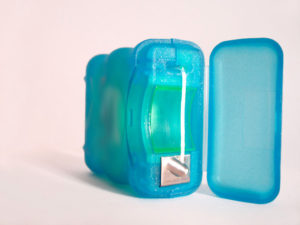 We’ve all been told at least once in our life that flossing daily is crucial. Here are four reasons why flossing may be beneficial for your oral health routine:
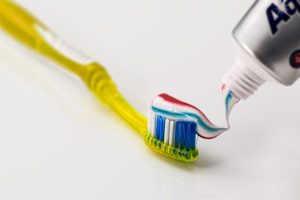 When buying a toothbrush, toothpaste, or coming in to our office, you often hear the word “plaque” associated with the health of your teeth. Plaque is one of the main reasons why it is so important to keep up with a daily oral hygiene routine that includes brushing two times each day for at least two minutes, and flossing regularly as well. Here’s what you need to know about plaque and what it can do to your smile.
 The negative effects of poor oral hygiene are well documented, and can impact much more than your mouth. A lot of serious medical conditions can be caused or worsened by complications arising for poor oral health. Starting your child’s oral care off right serves the twofold benefit of modeling the importance of good oral hygiene to them and giving their mouth a solid foundation of oral health. If you want to ensure your child’s oral health is taken care of,